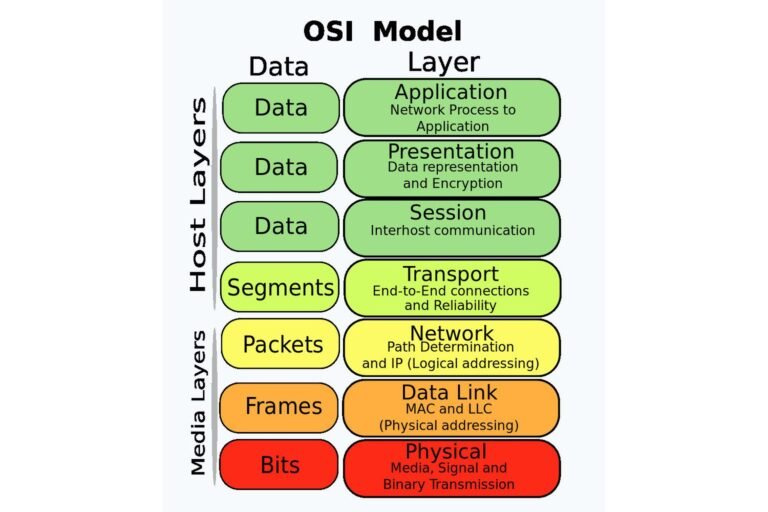
In a world obsessed with AI and software, I’m going all-in on the physical layer. Here’s why network engineering excites me more than any other tech field.
The Moment Everything Clicked
I was sitting in my computer networks class, watching packets flow across Wireshark, when it hit me: this is the internet’s circulatory system. While my classmates were dreaming of FAANG software jobs, I found myself fascinated by the plumbing that enables all their applications.
That moment started a journey that’s led me to bet my career on network engineering. In this post, I want to share why I believe this field offers some of the most exciting opportunities for today’s CS and EE students.
Why Networks Fascinate Me
The Internet’s Physical Backbone
There’s something magical about understanding how data actually travels across the world. When you send a message, stream a video, or load a webpage, you’re relying on a complex system of cables, routers, switches, and protocols that most people take for granted. Network engineers get to work with the literal infrastructure of the internet. We’re the ones who ensure that when you click “send,” your data finds its way across continents and oceans to reach its destination.
Problem-Solving Like Digital Detective Work
I’ve always loved puzzles, and networking provides some of the most satisfying problem-solving in tech. When the network goes down, you become a digital detective:
Each troubleshooting session is like solving a mystery where the clues are packet captures and log files.
Immediate, Tangible Results
In software development, you might work for months before seeing your code in production. In networking, when you fix a routing issue or optimize a congested link, you see the impact immediately. That instant feedback loop is incredibly rewarding.
My Learning Roadmap
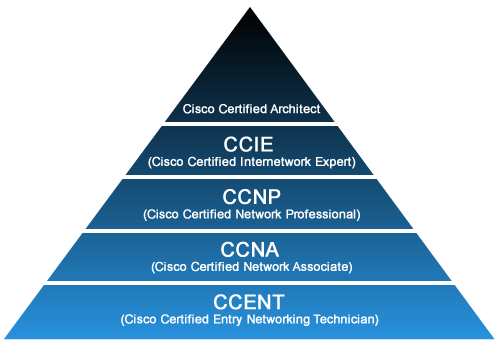
Here’s the path I’m following to build my network engineering skills while balancing my CS/EE degree:
Phase 1: Foundation (Current Focus)
Phase 2: Specialization (Next 6 Months)
Phase 3: Real-World Experience (Targeting 2026)
The “Unsexy” Skills That Actually Matter
Everyone focuses on the technical skills, but I’ve learned that these “soft” skills separate good network engineers from great ones:
Documentation
Your network is only as good as its documentation. I’ve made it a habit to document everything in my homelab, from IP address schemes to configuration changes. This isn’t just busywork; it’s what lets you troubleshoot efficiently at 3 AM when the network is down.
Communication with Non-Technical Teams
Network engineers often need to explain complex issues to managers, developers, and end-users who don’t understand networking. Being able to translate “BGP route flapping” into “the internet connection is unstable because…” is a superpower.
Patience in Troubleshooting
Networking problems rarely have quick fixes. I’ve learned that methodical, patient troubleshooting beats frantic guessing every time. The ability to stay calm under pressure while following a systematic approach is crucial.
Challenges I’m Preparing For
I’m not naive about the challenges ahead. Here’s what I’m mentally preparing for:
Rapidly Evolving Technologies
Networking is changing faster than ever with SD-WAN, network automation, and cloud technologies. The learning never stops, and that’s both exciting and daunting.
On-Call Responsibilities
Networks don’t just run 9-to-5. I know that being on call comes with the territory, and I’m mentally preparing for those late-night pages.
The Automation Paradox
As networks become more automated, some fear that traditional networking jobs will disappear. I see it differently: automation eliminates repetitive tasks, freeing up engineers for more interesting architectural and design work.
What Success Looks Like to Me
My definition of success in network engineering goes beyond salary or job title:
Mastering Fundamental Protocols
I want to reach the point where I can look at a packet capture and immediately understand the story it’s telling. That deep protocol knowledge is the foundation of everything else.
Building Reliable Infrastructure
Success means designing and maintaining networks that people don’t think about because they “just work.” The highest compliment for a network engineer is invisibility.
Mentoring Other Students
I hope to reach a point where I can help other students discover this field. Networking has a steep learning curve, and good mentors make all the difference.
The Student Perspective
What my CS degree gets right: Algorithm thinking, programming fundamentals, theoretical foundations
What’s missing: Practical networking, hands-on infrastructure experience, operational thinking
The gap I’m filling: ByteLyfe and my homelab projects are my way of bridging classroom theory with real-world practice
Your Turn: What’s Your Tech Journey?
I’ve shared my path, but I’m genuinely curious about yours. What area of tech are you specializing in, and what drew you to it?
Maybe you’re:
Hit reply in the comments – I read every response and would love to hear what you’re passionate about.
Final Thoughts
Choosing network engineering feels like going against the grain in today’s software-obsessed tech landscape. But I’m convinced that understanding how data actually moves – the plumbing beneath all our applications – is becoming more valuable, not less.
The internet’s physical infrastructure isn’t going away. If anything, it’s becoming more complex and more critical. I want to be one of the people who understands it, maintains it, and helps evolve it for whatever comes next.
See you in the packets,
Zane Z