You don’t need a decade of experience to start your network engineering career. Here’s the exact path I’m following from student to professional.
Roadmap Overview
What You’ll Get
Why This Roadmap Exists
When I decided to pursue network engineering, I found plenty of resources telling me what to learn, but very few showing me how to learn it in a logical, structured way. I spent months piecing together a learning path from forum posts, course descriptions, and job requirements.
This roadmap is what I wish I had when I started. It’s the result of hundreds of hours of research, experimentation, and real progress. Whether you’re a CS student, career changer, or homelab enthusiast, this guide will give you a clear path forward.
Phase 1: Foundation (Months 1-3)
Goal: Build networking intuition and understand fundamental concepts
Essential Knowledge
Core Concepts
Learning Resources
Starter Certification
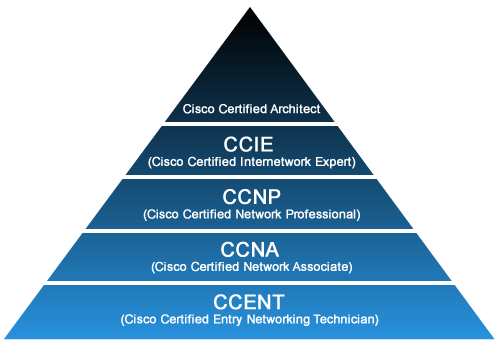
I’m focusing on CCNA as my primary certification because:
Alternative: If CCNA feels too intense, start with Network+ for broader, less vendor-specific fundamentals.
Phase 2: Hands-On Practice (Months 4-6)
Goal: Translate theory into practical skills through homelab projects
Homelab Projects
Beginner Projects
Intermediate Projects
Virtual Labs
When physical gear isn’t available or practical:
My current lab: I’m running a mixed environment with physical switches for “real feel” and GNS3 for complex scenarios that would require expensive hardware.
Phase 4: Career Launch (Months 12-18)
Goal: Transition from learning to earning through internships and entry-level roles
Building Experience
Internships
Looking for roles with titles like:
Homelab as Experience
Documented homelab projects demonstrate:
Job Search Strategy
Target Roles
Interview Preparation
Based on my research and conversations with working engineers, I’m preparing for:
Common Student Mistakes to Avoid
Focusing only on theory: Certifications matter, but hands-on experience matters more. Balance study time with lab time.
Underestimating documentation skills: The ability to document your work clearly is surprisingly valuable in networking roles.
Ignoring automation trends: Even if you prefer traditional networking, understanding automation makes you more valuable.
Waiting until you’re “ready”: Apply for internships and entry-level roles before you feel 100% qualified. You’ll learn more on the job than in any lab.
Your Action Plan
Don’t get overwhelmed by the 12-month timeline. Here’s how to start this week:
This Week’s Task
Choose One and Do It
30-Day Goal
Pick one small project and complete it. Something like:
You Can Do This
When I started this journey, network engineering felt like an impenetrable field reserved for people with decades of experience. I’ve learned that’s not true.
The path is challenging but straightforward. Learn fundamentals, build things, specialize based on your interests, and gain experience. The networking community is generally supportive of newcomers, and the skills you build are incredibly valuable.
What step are you taking this week? Let me know in the comments – I’d love to hear about your journey and offer any guidance I can.
See you in the packets,
Zane Z